
About US
About Piedmontese Cattle

Committed to quality genetics, performance, and the future of Australian beef production.
Piedmontese Cattle Australia provides to the Australian cattle industry the option of refreshing the herd – hybrid vigour with the famous Italian cattle breed: Piedmontese.
All stock is from certified DNA tested bulls selected from the renowned Italian Anaborapi herd book to provide the most recent measured indices for:
- Breeding index
- Meat Index
- Muscularity
- Weight increase
- Birth Ease
- Calving ease
This assures the very best of the Piedmontese bull stock have been selected and can now be purchased in Australia for terminal cross herd refreshment.
Industry leaders recognise that crossing high yielding Piedmontese with traditional Angus can help to achieve the magic formulae: higher YIELD and GRADE. (Piedmontese-Angus are proven to produce 80+% Yield Grades)
Piedmontese Cattle Australia is dedicated to breeding and supplying high-quality Piedmontese cattle suited to Australian conditions. Our operation is built on a strong foundation of performance, consistency, and delivering real value to producers.
We understand the demands of modern cattle operations and focus on providing genetics that support improved productivity, efficiency, and long-term sustainability. Our cattle are selected for their ability to perform reliably in real-world commercial environments.
Recognising the breed’s advantages in muscling, yield, and meat quality, we have built a breeding program focused on practical outcomes. Through careful selection and proven bloodlines, we continue to refine our herd to ensure consistency and performance across generations.
Our Mission
Our Commitment
Our Breeding Philosophy
ANABORAPI Herd Book:
The Global Benchmark for Piedmontese Genetic Excellence in Australia
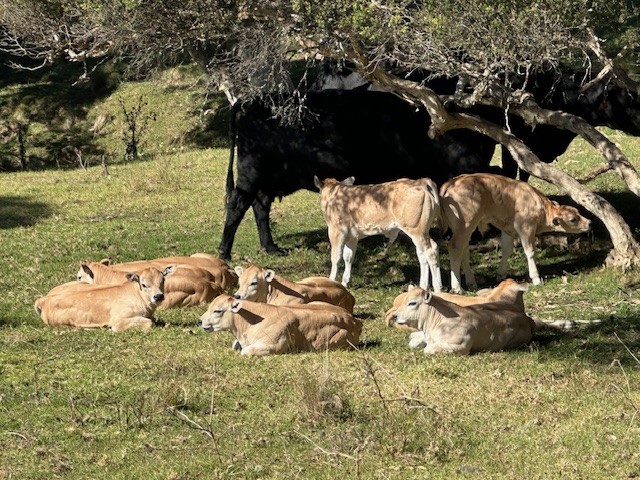
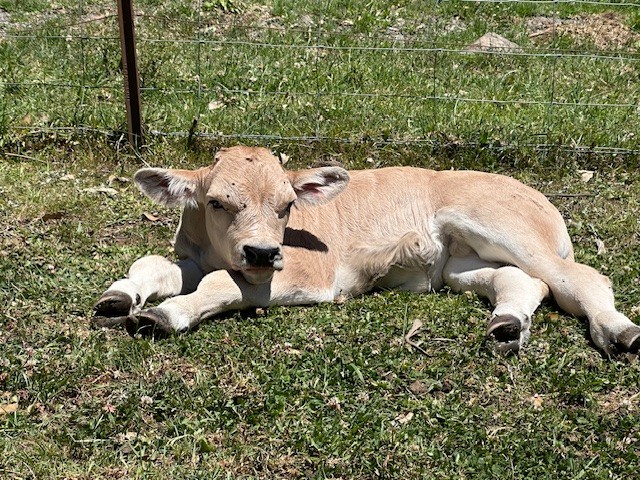
ANABORAPI (National Association of Piedmontese Cattle Breeders) maintains the official Italian Herd Book for the Piedmontese breed, acting as the central database for pedigree, genetic data, and breed improvement. It manages genealogical records, morphological evaluations, and performance tests for 100% fullblood and registered Piedmontese cattle, ensuring genetic quality and identifying superior animals.
Key Aspects of the ANABORAPI Herd Book:
- Function: It documents genealogies, reproductive activities, and genetic improvement initiatives (Performance and Progeny Tests).
- Certifications: Provides official genealogical certificates and breed certificates (commonly known as the “R”), which verify ancestry, genetic values, and breed purity, often required for public subsidies.
- Selection Criteria: Focuses on traits like growth, muscularity, and calving ease (both calving ease of the calf and the cow’s ability to calve).
- Myostatin Management: Nearly all A.I. sires in the Herd Book are verified to carry 2 copies of the C313Y inactive myostatin gene, responsible for the breed’s signature double-muscling.
- WEBGAP: The association provides a web application (WEBGAP) for breeders to monitor their farm’s data, check pedigree sheets, and track reproductive status.
- Data Collection: Livestock inspectors update herd data monthly, recording births, morphology, and anomalies to maintain data accuracy.
The Herd Book is instrumental in preserving the heritage of the Piedmontese breed, which has evolved from a dual-purpose (beef and milk) animal into a high-end, specialized beef breed
ANABORAPI (National Association of Piedmontese Cattle Breeders) maintains the official Italian Herd Book for the Piedmontese breed, acting as the central database for pedigree, genetic data, and breed improvement. It manages genealogical records, morphological evaluations, and performance tests for 100% fullblood and registered Piedmontese cattle, ensuring genetic quality and identifying superior animals.
Anaborapi’s task is to promote the improvement, valorization, and dissemination of Piedmontese cattle.
This role is first and foremost carried out through the maintenance of the Breed Herd Book, a complex database that records and preserves the pedigrees of all registered animals and a detailed series of ancillary information, such as validation of breed characteristics, reproductive careers, morphological surveys, genetic values, etc
The second area of activity is the genetic improvement of the Piedmontese breed, which is achieved through the implementation of a modern Selective Breeding Program. It consists of surveys on registered animals, their statistical analysis, and the elaboration of genetic estimates, based on which genetically superior subjects are identified for reproduction through a series of subsequent tests, such as Performance and Progeny Test.
The valorization of the breed sees Anaborapi involved in the study and deepening of the productive, reproductive, and management processes that affect Piedmontese breeding. This primarily involves research work, carried out directly or in collaboration with university institutions, and subsequently the dissemination of the results obtained among breeders and technicians operating in the world of Piedmontese cattle.
The dissemination of the breed is pursued through promotional activities, exhibition events, and participation in agricultural and zootechnical fairs, both in Italy and abroad.
Managing genetic variability and limiting inbreeding are particularly important for small to medium-sized livestock populations, and even more so for indigenous genetic types (IGTs) threatened with extinction. Consequently, the project envisions a series of significant actions on these issues, including the development of services for breeders to properly manage reproduction. Inbreeding is routinely calculated for all selected breeds, and diversified measures are implemented to monitor and manage relationships among breeding stock, with the aim of identifying and promoting the use of “out-of-line” individuals.
Relationship analysis is performed using, alongside traditional genealogical information, new methods based on genomic information that allow for a more precise quantification of the genetic material actually shared between breeding stock. New mating strategies are being developed that take parentage and inbreeding into account, alongside genetic improvement objectives, among the selection criteria. The new tools have consequently been incorporated into the mating programs for technicians and breeders.
For more information, please visit:
- https://anaborapi.it/en/anaborapi/
- https://anaborapi.it/en/herd-book/
- https://www.piedmontese.com
- https://5jackaloperanch.com
- https://www.piedmontese.com
- https://www.dpi.nsw.gov.au/__data/assets/pdf_file/0003/148080/Cattle-breed-types.pdf
- https://www.piedmontese.org/
- https://www.owensfarms.com/piedmontese-1
- https://www.piemontese.info/
- https://rarebreedstrust.com.au/public/pages/cattle-piedmontese
- https://www.cows.ie/livestock-breeds/piedmontese
- https://www.piedmontese.org/wp-content/uploads/2024/02/2024-Piedmontese-4-page-brochure.pdf
Double Muscling in cattle
The double-muscled syndrome is an inherited condition and is found in many breeds of cattle. The highest frequency of occurrence is found in the Piedmontese and Belgian Blue breeds.
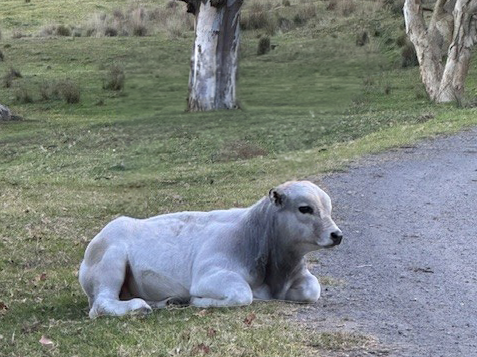
Deliberate effort was made in the last few decades to increase the frequency of double muscling in these two breeds. The syndrome is associated with some production problems such as reduced fertility, dystocia and reduced calf survival. Cattle showing the syndrome, however, have higher meat yield, a higher proportion of expensive cuts of meat, and lean and very tender meat. The superior meat and carcase characteristics have been responsible for their widespread use in Europe, where premium price is paid for double muscled carcases. Piedmontese and Belgian Blue cattle have recently been imported into Australia.
These double-muscled breeds will have a role to play in beef and dairy-beef production systems in Australia. For commercial production it is recommended that the breeding female herd be kept free from double muscling. A terminal sire breeding system is suggested, whereby normal females are mated to double muscled sires and all progeny slaughtered.
Piedmontese Feed Efficiency
Efficient feed conversion helps reduce input costs while maintaining strong growth performance
Feed efficiency is a real advantage when working with Piedmontese cattle in Australian conditions. Their ability to convert feed into lean muscle helps producers stay profitable without pushing input costs too high.
- Strong feed conversion means more weight gain from less feed
- Naturally lean growth reduces waste and improves carcass yield
- Performs well on a range of Australian pasture systems
- Lower fat deposition supports efficient finishing without overfeeding
- Consistent growth rates make planning and management easier
Piedmontese cattle are well suited to producers focused on efficiency and return. With the right management, they deliver reliable performance while keeping feed costs under control, making them a practical choice for Australian beef operations.
- Efficient use of pasture helps during dry or tighter seasonal conditions
- Reduced feed requirements can ease pressure on supplementary feeding
- Lean muscle traits support strong market demand for quality beef
- Adaptable to both grass-fed and grain-assisted programs
- Improved dressing percentages help maximise returns per animal
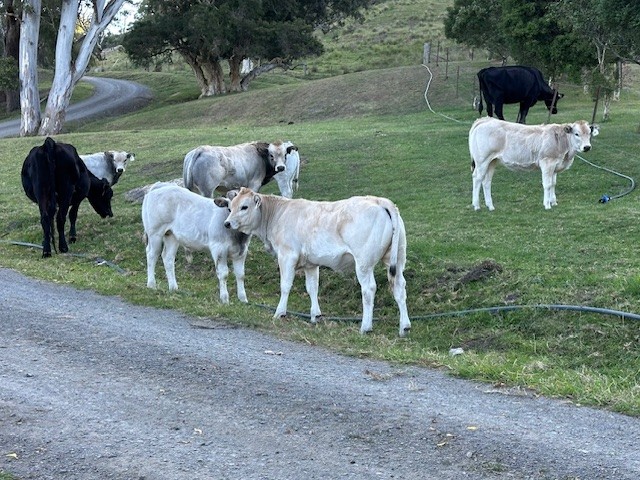
These cattle offer a straightforward, no-nonsense option for producers wanting cattle that work with the land, not against it.
Certified Progeny Bulls available from the following Piedmontese Anaborapi certified bulls
Click Image or Name for more information
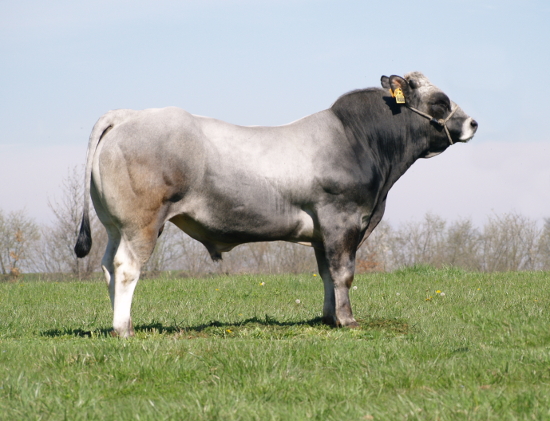
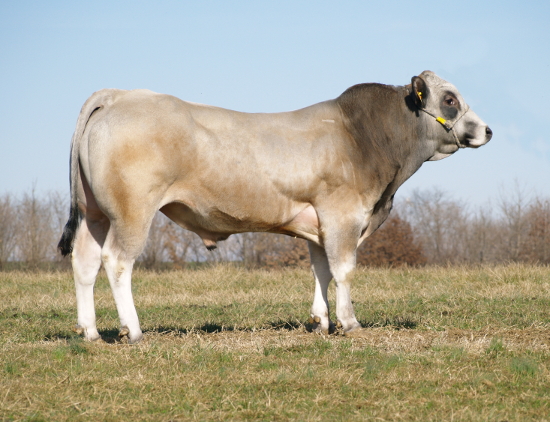
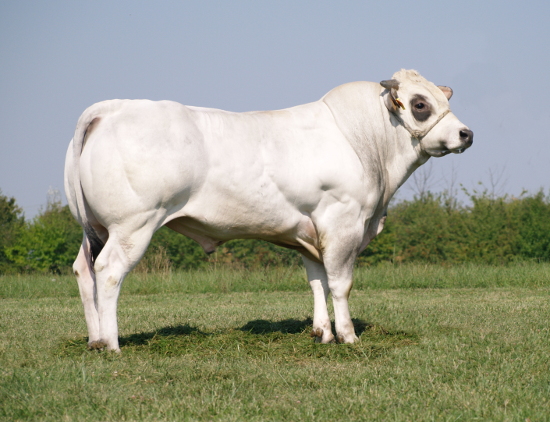
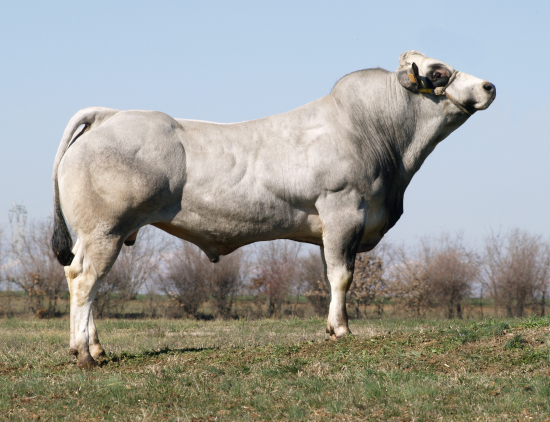
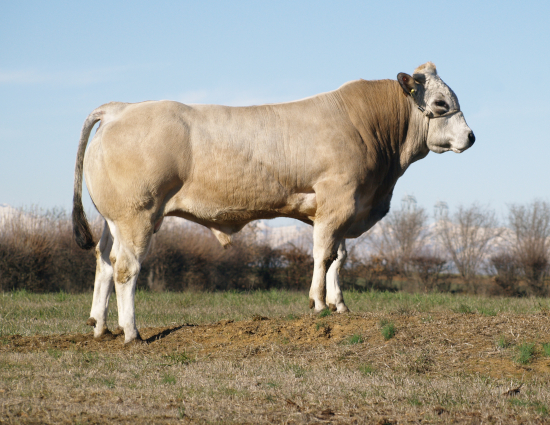
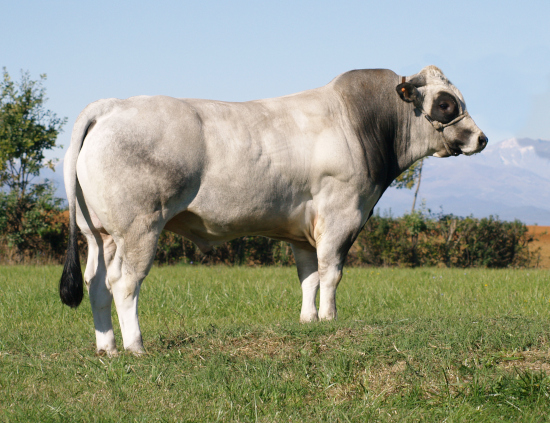
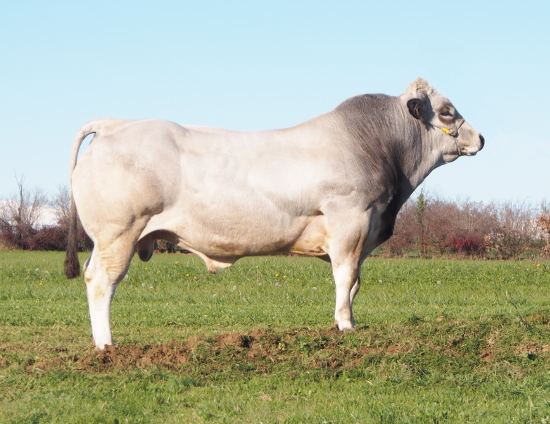
Certified progeny bulls from ANABORAPI represent the highest standard of Piedmontese genetics, proven through rigorous performance and progeny testing. Only elite sires are selected after evaluating growth, muscling, calving ease, and offspring performance across diverse herds. These bulls consistently deliver predictable results, including superior carcass yield and efficient feed conversion. Backed by advanced genetic evaluation systems, they provide breeders with confidence, reliability, and continual herd improvement, ensuring long-term productivity and profitability in commercial and stud operations.